Educational programmes only. Not medical, psychological, or health services. London, United Kingdom.
Culture & Connection

Wellness as a culture-building tool

Corporate wellness challenges create shared experiences, strengthen peer relationships, and demonstrate organisational commitment to employee wellbeing. This builds engagement from the inside out.

Explore With Us
Why Wellness Challenges?

The engagement story

Challenges create a frame where wellness is a collective journey, not an individual burden or performance metric.

Shared Experience

When teams engage in a challenge together, they create common ground and talking points beyond daily work. Colleagues bond over shared activities, celebrate milestones together, and build real social connection.

Peer Support

Challenges activate peer encouragement. People cheer each other on, share strategies, celebrate wins. This creates a positive social norm around the challenge's theme—whether movement, mindfulness, or nutrition.
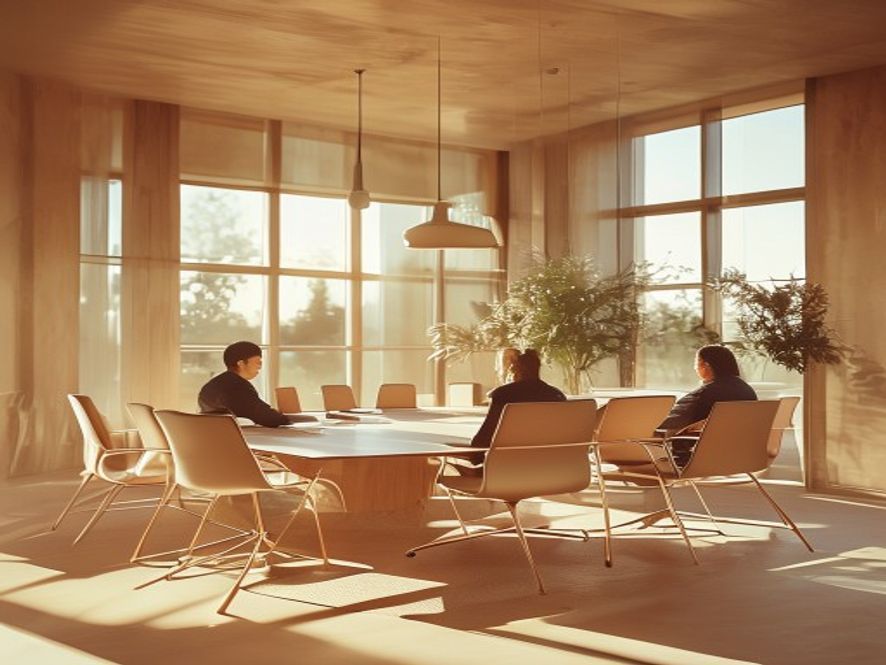
Team members in collaborative office meeting environment
The Framework

Five pillars of engagement design

Clear Goals

Simple, shared objectives. Not "be healthier" but "take 3 walking breaks per week" or "sleep 7+ hours, 4 nights this week." Specificity drives participation.

Visible Progress

Dashboards, leaderboards, and progress trackers make participation visible and create friendly competition. People engage more when they can see where they stand.

Team Structure

Challenges work best with team divisions—departments, cross-functional squads, peer pods. This creates internal social pressure and camaraderie.

Recognition

Celebrating wins—individual milestones, team achievements, creative participation—reinforces the positive behaviour and keeps momentum high.

Opt-In Culture

All challenges are completely voluntary. No pressure, no judgement. This fosters positive associations and ensures only willing participants, driving genuine engagement.

Real Impact

How challenges transform workplaces

Based on feedback from 120+ organisations across sectors.

73%

Increased team connection (post-challenge survey)

62%

Reported higher workplace satisfaction

58%

Teams chose to run multiple challenges

85%

Employee participation (avg. across all challenges)

These figures reflect engagement outcomes and organisational feedback, not individual health outcomes or claims.

Sustainability

From challenge to culture

The real value of a challenge emerges when it becomes part of your workplace fabric—something people look forward to, discuss, and want to repeat.

1

Challenge Phase (4-8 weeks)

Active engagement, visible participation, team energy. This is the "event" phase where novelty and social dynamics drive participation.

2

Reflection & Learning (Week after)

We debrief with your team: What worked? What surprised you? What would you do differently? This cements learning and captures feedback for next cycle.

3

Integration (Months 2-3)

Habits begin to normalise. People who started "for the challenge" find they've built genuine routines. Peer norms shift. The cultural norm becomes part of "how we do things here."

4

Next Challenge (Month 4+)

Your team is primed. They understand the format, have built momentum, and actively ask "when's the next challenge?" A thriving cycle emerges.

Ready to build engagement?

Let's design a challenge that resonates with your team and builds a thriving workplace culture.

Start the Conversation